The Reversed Rodeo
VoteThis competition tests how well AI image models truly understand language versus how much they rely on visual habits from their training data. The prompt is deliberately simple on the surface but devilishly hard in practice. Most models default to the familiar trope of an astronaut riding a horse. By forcing the reversal, we measure three critical capabilities that separate good models from great ones:
- Strict instruction following (including negations)
- Accurate subject-object relationships and spatial hierarchy
- Resistance to strong dataset biases
One quick check so your vote counts
Challenge rankings
56 models · ranked by blind vote
Through time: how it evolvedNotable battles
The matchups worth a second look from this challenge's blind voting: the closest rivalries, the biggest upsets (a lower seed taking down a favorite), and the clashes at the top of the board. Each bar shows how the community split its votes.
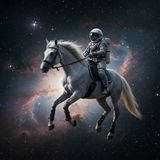
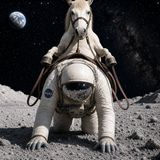
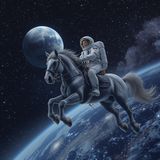
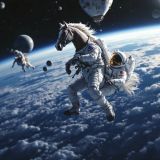
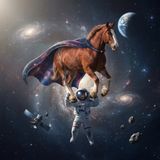
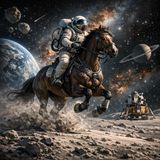
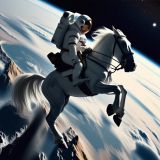

Through time
How The Reversed Rodeo has evolved, release by release.
How the crown changed hands
Every model that has held #1 on this challenge, in order. Click any era to travel through time.
-
R01Inception
DALL-E 2 Apr 2022 → Oct 2023reigned 1.5 yrs -
R02
DALL-E 3 Oct 2023 → Jan 2025reigned 1.3 yrs · overtook DALL-E 2 -
R03Current
Imagen 3.0 Generate 002 Jan 2025 → todayreigned 1.6 yrs · overtook DALL-E 3
Generation history
Show full history 51-
Gemini 3.1 Flash Lite Image 3 takes
-
Recraft V4.1 3 takes
-
Recraft V4.1 Pro 3 takes
-
GPT Image 2 is first to make it
This is the time a model managed to follow the prompt and put the horse on top of the astronaut.
Why GPT Image 2 stands out here
-
Wan 2.7 3 takes
- 51 more models Apr 2022 – Apr 2026 Show


